
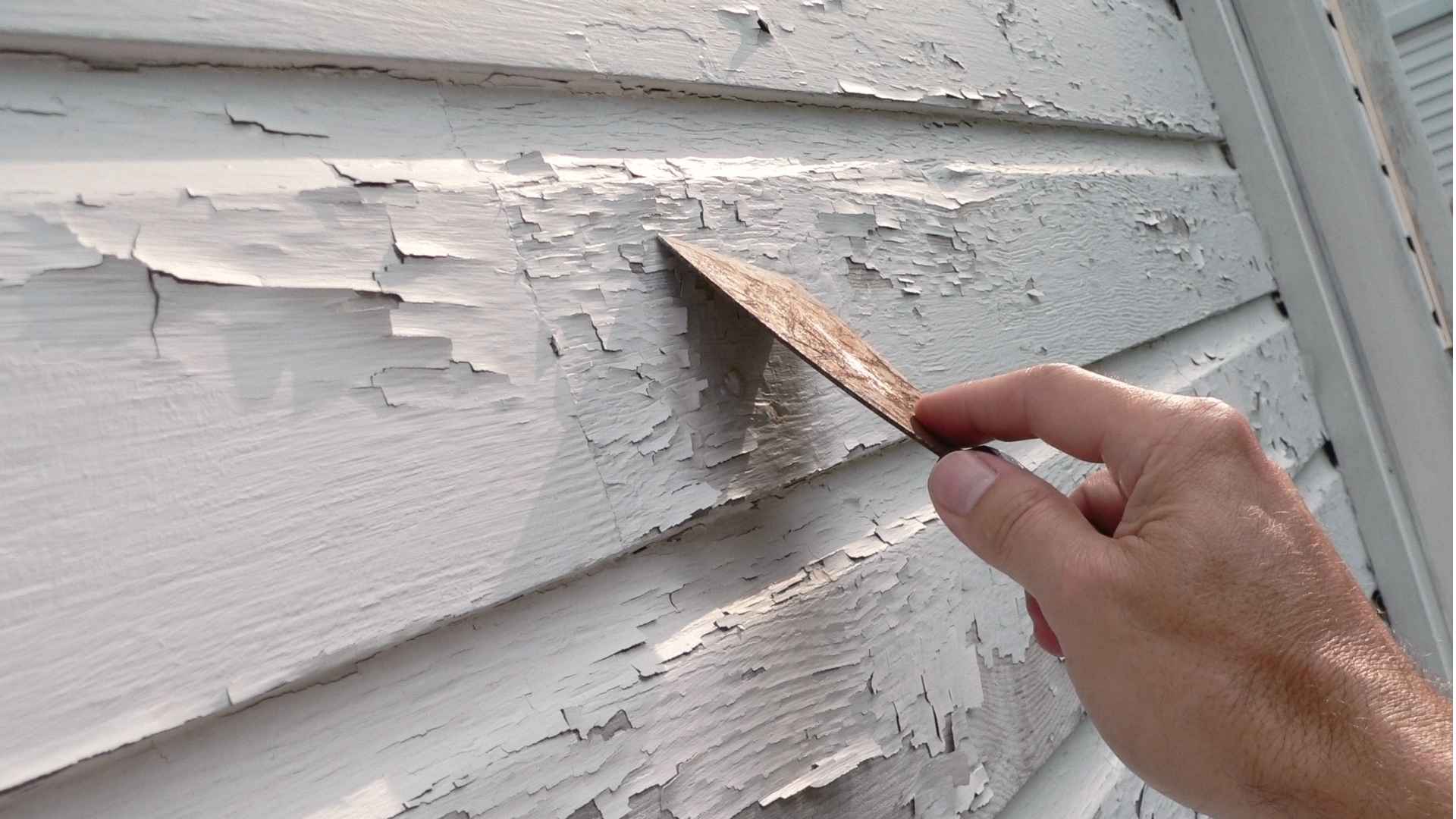
How Long Does Exterior Paint Last in Denver?
If you’ve ever driven through Denver and noticed homes that still look freshly painted after years (and others that seem worn out far too soon) you’re not alone in wondering why. One of the most common questions homeowners ask is: how long does exterior paint actually last in Denver?
The short answer is: most exterior paint jobs in Denver last between 5 – 8 years. But that range can vary significantly depending on a handful of critical factors, including weather exposure, surface type, preparation, application and the quality of paint used.
Let’s break it down so you understand what to expect and how to get the most life out of your next paint job.
“At Kind Home Painting we strive to ensure your exterior painting project will last far beyond the average lifespan of a Denver Paint project. That’s why we provide you with a No Exclusions warranty for up to 12 years.” – Lindsay Johnson, Director of Production
Why Exterior Paint Doesn’t Last as Long in Denver
Denver is a beautiful place to live, but it’s also one of the more demanding climates for exterior paint. Unlike more temperate regions, homes here are constantly exposed to conditions that accelerate wear and tear.
Intense UV Exposure
At over 5,000 feet in elevation, Denver receives significantly more ultraviolet (UV) radiation than lower-altitude cities. This increased sun exposure breaks down paint faster, causing fading, chalking, and eventual deterioration.
South and west facing sides of your home tend to take the biggest hit. It’s common to see these elevations age faster than the shaded sides, sometimes by several years.
Extreme Temperature Swings
Denver’s famous “four seasons in a day” isn’t just a saying, it’s a real factor that impacts your home’s exterior.
Temperature swings can cause building materials to expand and contract repeatedly. Over time, this movement stresses the paint film, leading to cracking, peeling, or premature failure.
Snow, Moisture, and Freeze-Thaw Cycles
While Denver isn’t the wettest city, the combination of snow and freezing temperatures creates a unique challenge.
When moisture gets into small cracks or unsealed areas and then freezes, it expands. This process, known as freeze-thaw cycling, can break down both the paint and the underlying surface if not properly protected.
Wind and Hail
Colorado’s weather patterns can be unpredictable. Wind-driven debris and occasional hailstorms can physically damage paint, especially on exposed siding.
So, How Long Should Exterior Paint Last?
In Denver, a high-quality exterior paint job typically lasts:
- 5–7 years on lower-quality or minimally prepped jobs
- 7–10 years on properly prepped and professionally applied coatings
- 10+ years in ideal conditions with premium materials and excellent maintenance
However, these timelines depend heavily on what material your exterior is made of and how it’s been painted.
Learn more about Exterior Painting with Kind Home HERE
The Role of Surface Material
Not all exteriors are created equal. The material your home is built with plays a major role in how long paint will last.
Wood Siding
Wood is one of the more demanding surfaces to maintain in Denver. It naturally expands and contracts with moisture and temperature changes, which can stress the paint.
With proper prep and high-quality paint, wood siding typically lasts around 5–8 years before needing repainting.
Stucco
Stucco performs well in Denver’s dry climate, but still requires attention. Because it’s porous, it absorbs moisture and needs to be properly sealed.
A well done stucco paint job can last 7–10 years, sometimes longer if high quality paint and application techniques are utilized.
Fiber Cement (Hardie Board)
Fiber cement siding is one of the most durable options for Denver homes. It’s more stable than wood and less prone to expansion and contraction.
Paint on fiber cement can last 8–12 years when applied correctly.
Brick (Painted)
Painted brick can last a long time, but it requires breathable coatings to prevent moisture from being trapped. It’s also important to backroll when applying your exterior paint so that it fully absorbs into the brick.
When done properly, painted brick can last 10+ years, but improper products and/or application can lead to early failure.
Why Prep Work Matters More Than You Think
If there’s one factor that makes the biggest difference in how long your paint lasts, it’s preparation.
A rushed or incomplete prep job might look fine at first, but it often leads to premature peeling, cracking or overall failure within just a few years.
Proper prep work typically includes:
- Thorough pressure washing to remove dirt, debris and oxidation
- Scraping and sanding failing paint
- Caulking joints and sealing gaps
- Priming bare or exposed surfaces
This process ensures the new paint has a clean, stable surface to bond to. Without it, even the best paint won’t perform the way it should.
Check out our Complete Guide to Exterior Painting to understand what all goes into an exterior painting project.
Does the Type of Paint Really Matter?
Absolutely. Not all paints are created equal, and in a climate like Denver’s, the difference becomes very noticeable over time.
Economy vs. Premium Paint
Lower-cost paints may seem appealing upfront, but they often lack the durability needed to withstand Denver’s sun and temperature swings. They can fade faster, require more coats, and need to be reapplied sooner.
Premium paints, like Sherwin-Williams Emerald or Benjamin Moore Aura, are engineered for better coverage, flexibility, and UV resistance. While they cost more per gallon, they tend to last longer and perform better.
Flexibility and Breathability
In Denver, flexibility is key. Paint needs to move with your home as temperatures change. High-quality acrylic paints are designed to flex without cracking.
Breathability is equally important, especially for materials like stucco and brick. A breathable coating allows moisture to escape, preventing bubbling or peeling.
The Impact of Application and Timing
Even the best materials won’t last if they’re applied under the wrong conditions.
Exterior painting in Denver requires careful timing. Paint should typically be applied when temperatures are between 50°F and 85°F, with low moisture and no imminent storms.
Applying paint in conditions that are too cold, too hot, or too humid can affect how it cures, ultimately shortening its lifespan.
Professional painters understand how to work within Denver’s weather windows to ensure proper adhesion and durability.
How to Tell When It’s Time to Repaint
Rather than relying solely on timelines, it’s important to look for signs that your paint is starting to fail.
Common indicators include:
- Fading or uneven color, especially on sun-exposed sides
- Chalking (a powdery residue on the surface)
- Cracking, peeling, or bubbling paint
- Exposed wood or substrate
- Rotted boards/siding
- Failing caulk or gaps around trim
- Receding nail holes
If you’re noticing these issues, it’s usually a sign that your home is ready for repainting—or at least a professional inspection.
How to Make Your Exterior Paint Last Longer
While Denver’s climate is tough, there are several ways to extend the life of your paint job.
Invest in Quality From the Start
Choosing a reputable painting company and high-quality materials is one of the best long-term investments you can make. A well-done paint job may cost more upfront but can save you money over time by lasting longer.
We also highly encourage you to work with a painter that provides an extensive warranty. Be sure to read any fine print within the warranty and understand what they cover and under what circumstances. Most painters do not cover common failures in Colorado like fading. At Kind Home Painting with ensure your painting project will last for a minimum of 10 years under our No Exclusions Warranty!
- Stay on Top of Maintenance
Simple maintenance can go a long way. Washing your home every year or two helps remove dirt and buildup that can degrade paint.
Addressing small issues like cracked caulk or minor peeling early on can prevent larger problems down the road.
- Protect High-Exposure Areas
The south and west facing sides of your home will age faster due to sun exposure. Keeping an eye on these areas and performing touch-ups when needed can help maintain a consistent appearance.
Why Professional Painting Makes a Difference
There’s a noticeable difference between a paint job that lasts five years and one that lasts ten, and much of that comes down to the team doing the work.
Professional painters understand Denver’s unique climate and know how to adjust preparation, product selection, and application techniques accordingly.
They also have access to higher-grade materials and equipment, which contributes to a more durable finish.
When done correctly, a professional exterior paint job doesn’t just improve curb appeal, it protects your home from the elements for years to come.
Final Thoughts
So, how long does exterior paint last in Denver?
For most homes, you can expect anywhere from 5 to 10 years, with the potential for even longer performance when the right materials, preparation, and application methods are used.
Denver’s climate is demanding, but with the right approach, your home can stay looking fresh and protected for years.
If you’re unsure about the condition of your current paint or want to plan ahead for your next project, getting a professional evaluation is a great first step.
Want to get pricing on your exterior painting project? You can schedule your FREE Estimate here
Frequently Asked Questions
How often should I repaint my house in Denver?
Does Denver’s altitude really affect paint longevity?
What type of exterior paint lasts the longest in Colorado?
Is it better to repaint before paint starts peeling?
How can I extend the life of my exterior paint?
What’s the best time of year to paint a house in Denver?
Does stucco need to be repainted as often as wood siding?
Can I paint my house myself in Denver?
This guide is based on real-world experience working with Denver homes and is designed to help homeowners make informed decisions about protecting and maintaining their exterior surfaces.